Top Tips for Fuel Injection System Maintenance and Upgrades?

Time:2026-05-31 Author:Aria
0%

Maintaining a well-functioning fuel injection system is crucial for vehicle performance. Fuel injection plays a vital role in enhancing engine efficiency and power output. Proper maintenance ensures your vehicle runs smoothly and efficiently.

Regular care for your fuel injection system can prevent costly repairs. This includes cleaning injectors and replacing filters. Upgrading components, like the fuel pump, can offer enhanced performance. However, not all upgrades suit every vehicle or driving style.

It's essential to understand the specifics of your vehicle’s fuel injection system. Personalized solutions yield the best results. Simple adjustments or routine checks can often lead to significant improvements. Care must be taken to choose reliable parts and professionals for upgrades. Neglect can lead to inefficiencies and increased emissions. Whether you are a seasoned car enthusiast or a casual driver, understanding fuel injection is key.
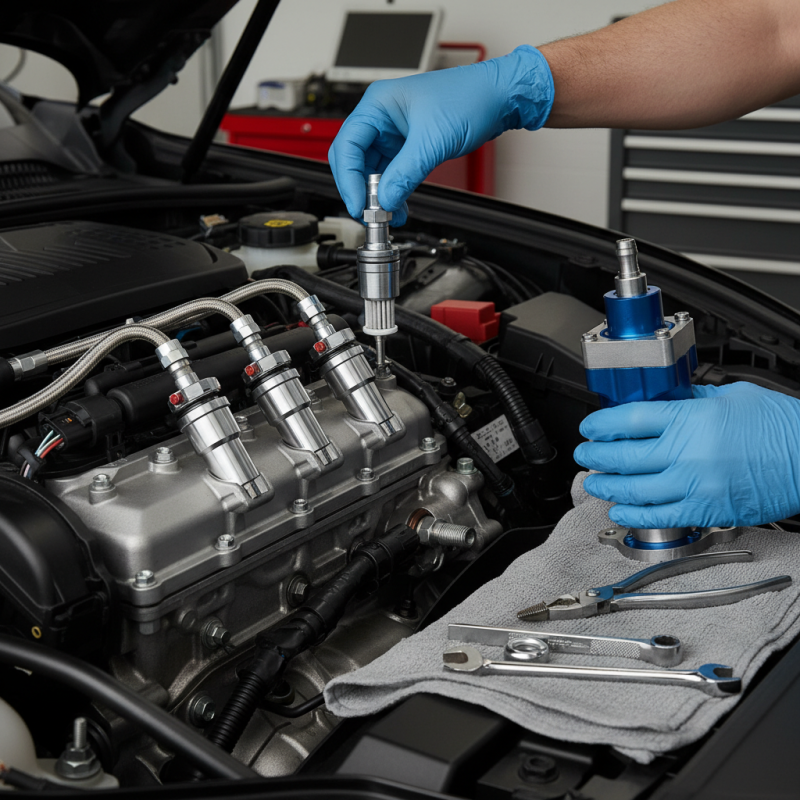
Top Tips for Fuel Injection System Maintenance and Upgrades?

Understanding the Basics of Fuel Injection Systems

Fuel injection systems are crucial for engine performance and efficiency. Understanding their basics helps in maintaining and upgrading them effectively. Fuel injectors spray precise amounts of fuel into the combustion chamber. This process optimizes combustion and reduces emissions. Knowledge of this functionality is essential for any vehicle owner.

When it comes to maintenance, regular checks are vital. Inspect fuel filters often. Clogged filters can choke the engine. Clean injectors using specialized cleaning solutions. Dirty injectors can lead to poor fuel atomization, affecting engine performance. Another tip is to monitor fuel quality. Contaminated fuel can harm the system.

Upgrades can enhance performance. Consider installing high-performance injectors. They deliver fuel more efficiently. This can improve power output, but the choice must match the engine's needs. Also, a fuel management system helps tune the fuel-air ratio for better efficiency. However, not all vehicles benefit from upgrades the same way. Research is key.

Common Issues in Fuel Injection Systems and Their Symptoms

Fuel injection systems play a crucial role in engine performance. Common issues in these systems can lead to significant operational problems. One prevalent issue is clogged fuel injectors, which can result in poor engine starts and inconsistent performance. According to a report by the American Automobile Association (AAA), nearly 30% of engine performance problems stem from fuel system issues.

Another frequent symptom is increased fuel consumption. When the injectors fail to deliver the right amount of fuel, the engine struggles to maintain efficiency. This inefficiency often manifests as diminished power and acceleration. A study by the Engineering Society for Advancing Mobility Land Sea Air (ESAM) found that addressing fuel injection system problems could improve fuel economy by up to 15%.

Regular maintenance can mitigate these issues. Cleaning the fuel injectors every 30,000 miles can prevent clogging. Additionally, using a quality fuel filter can help keep contaminants at bay. Monitoring engine performance is vital; noticeable changes may indicate a malfunction. Investing in diagnostic tools can provide insights into potential fuel system issues before they escalate.

Routine Maintenance Practices for Optimal Fuel Injection Performance

Routine maintenance of fuel injection systems is crucial for optimal performance. Regular checks can prevent major issues. Start with inspecting fuel filters. Clogged filters can disrupt fuel flow. Replace them as needed to maintain efficiency.

Cleaning fuel injectors is equally important. Over time, deposits build up and reduce spray patterns. A professional cleaning service can restore injector efficiency. Address any irregularities in performance promptly, as neglect can lead to costly repairs.

Monitor the fuel pressure regularly. Low pressure can indicate a failing pump or blocked lines. Testing pressure should be part of routine checks. Lack of attention may lead to stalling or poor acceleration. Keeping an eye on these details can enhance the longevity and reliability of your vehicle's fuel system.

Upgrading Components: When and How to Enhance Your Fuel Injection System

Upgrading components in your fuel injection system can significantly enhance performance and efficiency. For instance, upgrading to high-performance injectors can improve fuel atomization. This can increase engine power by up to 10-15%, according to a 2021 industry analysis. It’s essential to analyze your vehicle's specific needs before deciding on upgrades. Not every engine will benefit from the same changes.

Timing is crucial. Upgrades should ideally coincide with regular maintenance intervals. Consider changing injectors when you reach 100,000 miles. Older components may not deliver optimal performance, leading to poor fuel economy. A study showed that a poorly maintained fuel injection system could decrease efficiency by nearly 20%. Using diagnostic tools can reveal underlying issues before they require expensive repairs.

Moreover, ensure that all components you consider upgrading are compatible. It’s tempting to choose the best parts on the market, but mismatched components can lead to inefficiencies. Often overlooked, the fuel pump might also need replacement during injector upgrades. The right fuel pressure is vital for optimal injector performance. Upgrading without thorough assessment can result in unintended issues, affecting overall engine health.

Choosing the Right Tools and Techniques for Fuel Injection Maintenance

Maintaining a fuel injection system requires specific tools and techniques. Proper care can improve vehicle performance and fuel efficiency. A well-maintained system boosts fuel efficiency by up to 30%. This is valuable in today's economy, where every drop counts.

When choosing tools, consider quality over price. Use specialized tools like vacuum gauges and fuel pressure testers. These tools can accurately diagnose issues. A recent industry report highlighted that nearly 25% of fuel injector problems stem from improper installation or poor maintenance practices. Skipping tools like injector cleaning kits can lead to clogged fuel injectors, causing costly repairs.

Education is vital. Many technicians miss out on training that covers advanced fuel system technologies. This gap can lead to misdiagnoses. Incorporating updated techniques, such as ultrasonic cleaning, is crucial. Studies indicate that ultrasonic methods can restore injector performance by up to 90%. Assess your capabilities regularly to ensure you’re utilizing the best practices and tools.

Top Tips for Fuel Injection System Maintenance and Upgrades

FAQS

: What are common issues in fuel injection systems?

: Common issues include clogged fuel injectors, poor engine starts, and inconsistent performance.

How does a clogged injector affect engine performance?

Clogged injectors can lead to poor starting, increased fuel consumption, and reduced acceleration.

Why does fuel consumption increase with injector issues?

When injectors fail to deliver the right fuel amount, the engine becomes inefficient, consuming more fuel.

How can I maintain my fuel injection system?

Clean fuel injectors every 30,000 miles and use a quality fuel filter to prevent clogging.

When should I consider upgrading my fuel injectors?

Consider upgrades at 100,000 miles or during regular maintenance intervals. Older injectors may decrease efficiency.

What are the benefits of upgrading fuel injectors?

High-performance injectors can improve fuel atomization and increase engine power by 10-15%.

What should I ensure when upgrading fuel injection components?

Ensure all components are compatible. Mismatched parts can lead to inefficiencies and other issues.

What is the role of the fuel pump during injector upgrades?

The fuel pump must provide the right pressure; neglecting it during upgrades can cause performance issues.

How can diagnostic tools help with fuel injection problems?

Diagnostic tools can identify underlying issues early, helping to prevent costly repairs later on.

What could happen if I upgrade without proper assessment?

Unintended issues may arise, negatively impacting overall engine health and efficiency.

Conclusion

The article "Top Tips for Fuel Injection System Maintenance and Upgrades" provides valuable insights into maintaining and enhancing the performance of fuel injection systems. It begins by outlining the fundamental principles of these systems, helping readers understand their essential functions. The discussion then highlights common issues that may arise, such as poor fuel delivery and engine misfires, along with their telling symptoms, enabling vehicle owners to identify problems early.

The article further emphasizes the importance of routine maintenance practices, which are crucial for optimal fuel injection performance, including regular inspections and cleaning. It also offers guidance on when and how to upgrade components to enhance system efficiency effectively. Finally, it stresses the necessity of choosing the right tools and techniques for maintenance tasks to ensure reliability and longevity in the fuel injection system. Overall, the article serves as a comprehensive guide for vehicle owners looking to keep their fuel injection systems in top condition.


Aria

Aria

Aria is a dedicated marketing professional with a deep passion for innovative strategies and a keen understanding of our company's product offerings. With a wealth of experience in the industry, Aria excels at crafting engaging content that highlights the unique features and benefits of our......