 Nazhihui
Heavy-Duty Infrastructure: Elite Truck Chassis Systems
An Industry Technical Whitepaper on Commercial Vehicle Metallurgy, Dynamic Stress Optimization, and Global Procurement Security.
Under modern global distribution pressures, the commercial vehicle is only as resilient as its underlying structural architecture. The heavy-duty truck chassis functions as the primary load-carrying structure, sustaining static loading, dynamic road stress, torsional twists, and chemical exposure across hundreds of thousands of operating hours. When selecting a China High-Quality Truck Chassis Parts Manufacturer & Supplier, global enterprises must move beyond baseline cost comparisons to evaluate systemic engineering values, technological capabilities, and materials science frameworks.
1. Advanced Metallurgy & Structural Kinematics
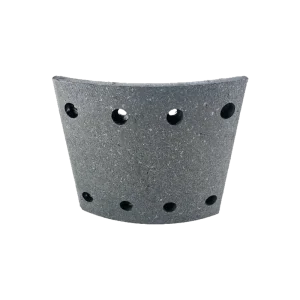
The manufacturing paradigms of modern heavy-duty truck chassis components dictate that mechanical reliability is governed at the molecular level. Suspension members, structural crossbeams, steer knuckles, brake assemblies, and control links must manage enormous tensile loads. Standard materials no longer meet modern safety profiles. High-tier Chinese manufacturers now utilize custom micro-alloyed steel compositions and specialized nodular cast iron grades (such as QT500-7 and QT600-3) to achieve maximum durability without unnecessary weight penalties.
Optimized Hardness Profiles
Induction hardening and liquid nitriding treatments are applied to load-bearing contact points to generate deep hardness layers, mitigating shear wear and friction damage over long periods.
Corrosion Mitigation
Multi-stage electrodeposition coating (E-coat) coupled with chemical passivation guarantees salt-spray resistance exceeding 1,000 hours, keeping chassis safe in extreme conditions.
Dynamic Stress Dispersion
Utilizing advanced Finite Element Analysis (FEA), internal geometries are precision-engineered to disperse stress away from joints, protecting key suspension connections from fatigue.
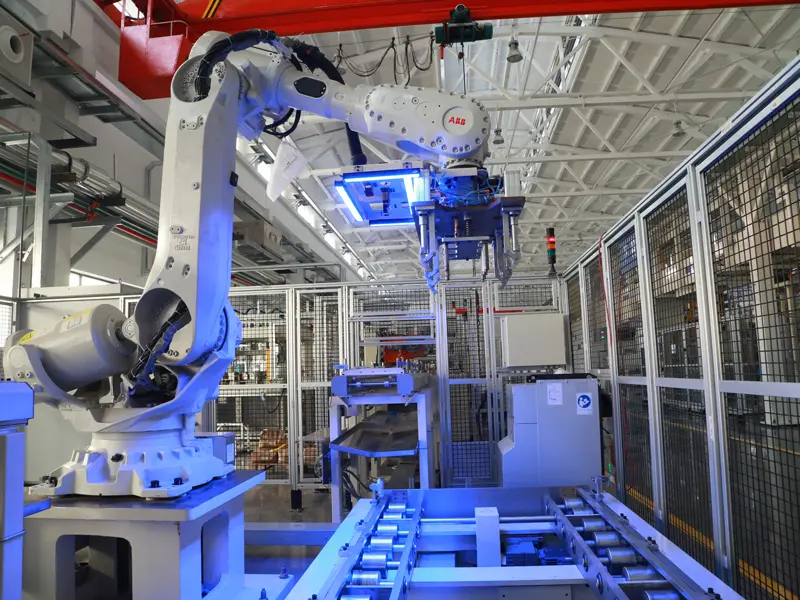
Precision and repeatability are critical for these components. A variation of even 0.05mm in the bore alignment of a steering knuckle or stabilizer bracket can accelerate tire wear, induce directional drift, or cause catastrophic component failure. Using state-of-the-art multi-axis CNC machining centers, automated forging lines, and computerized heat-treatment processes, Nazhihui's supply partners ensure that every component matches or exceeds original equipment specifications.
2. Global Sourcing Strategies: Overcoming Enterprise Pain Points
Global procurement teams at original equipment manufacturers (OEMs), municipal logistics authorities, and international commercial fleets face three key hurdles: supply chain delays, inconsistent parts quality, and poor compatibility matching. These issues directly increase the Total Cost of Ownership (TCO) and cause costly vehicle downtime.
- Guaranteed Part Interchangeability: Direct cross-referencing catalog systems indexed by OEM numbers (e.g., Sinotruk, Yutong, Higer, King Long) ensure perfect drop-in installation on the assembly line or during maintenance.
- Comprehensive Quality Control Protocols: Multi-tiered quality checks from spectrometry raw-material validation to 3D coordinate dimension verification prevent out-of-tolerance parts from leaving the factory.
- High-volume Supply Chain Coordination: Managing massive SKUs across multiple sub-assembly lines, including engine systems, transmission modules, and structural chassis components, provides a true one-stop-shop experience.
By partnering with an authorized distributor like Nanning Nazhihui Import & Export Trading Co., Ltd., purchasing departments can leverage the company's strong manufacturer relationships. Nazhihui simplifies procurement by offering consolidated container loading, certified export documentation, and real-time transit tracking, helping global operations minimize overhead and keep fleets running efficiently.